
Key Takeaways
- Wetsuit thickness maps directly to water temperature. A 3/2mm fits most of California year-round. Below 55°F, add boots, gloves, and hood.
- 72°F+ = trunks, 65-72°F = 2mm, 60-65°F = 3/2mm, 55-60°F = 4/3mm + boots, below 55°F = 5/4mm + full accessories.
- Check water temp before packing. Most surfers need two suits — summer and winter. Budget $200-400 for a quality full suit.
The Short Answer
Match wetsuit thickness to water temperature: Above 72°F: boardshorts or rashguard. 65-72°F: 2mm spring suit or shorty. 60-65°F: 3/2mm full suit (standard California suit). 55-60°F: 4/3mm full suit with optional boots. Below 55°F: 5/4mm+ with boots, gloves, and hood. Check real-time water temperature on Quiver's beach pages — it varies significantly by region and season across NOAA monitoring stations.
The Short Answer
The Complete Temperature-to-Thickness Chart
72°F+ (Hawaii, summer Florida, Puerto Rico): Boardshorts and rash guard. A 1mm top if windy.
65-72°F (SoCal summer, warm East Coast): 2mm spring suit (short arms, short legs) or 2mm full suit. You won't overheat or freeze.
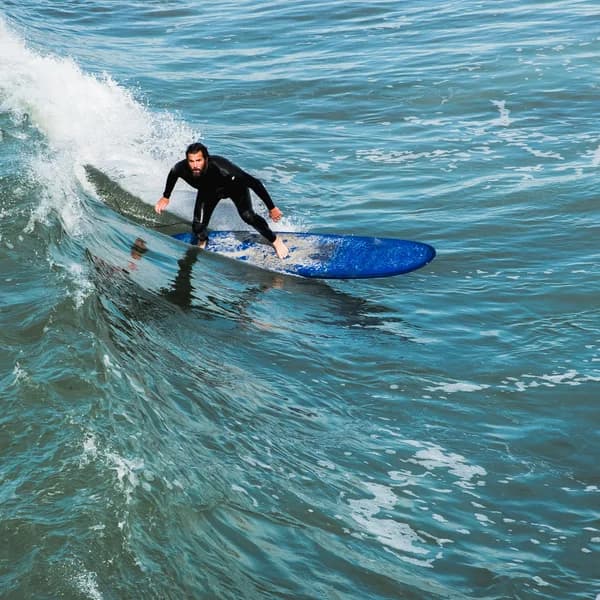
60-65°F (SoCal winter, NorCal summer): 3/2mm full suit — 3mm torso, 2mm arms/legs. This is the standard California wetsuit. Most surfers own this as their primary suit.
55-60°F (NorCal winter, Pacific Northwest, winter NJ/NY): 4/3mm full suit with 3mm boots for thermal protection and reef safety. Some surfers add gloves below 58°F.
Below 55°F (Maine, Great Lakes, deep NorCal winter): 5/4mm+ hooded suit with 5mm boots, 4mm gloves, and integrated or separate hood. Ice cream headaches are real at 50°F.
72°F+ = trunks, 65-72°F = 2mm, 60-65°F = 3/2mm, 55-60°F = 4/3mm + boots, below 55°F = 5/4mm + full accessories.
What This Means for Your Session
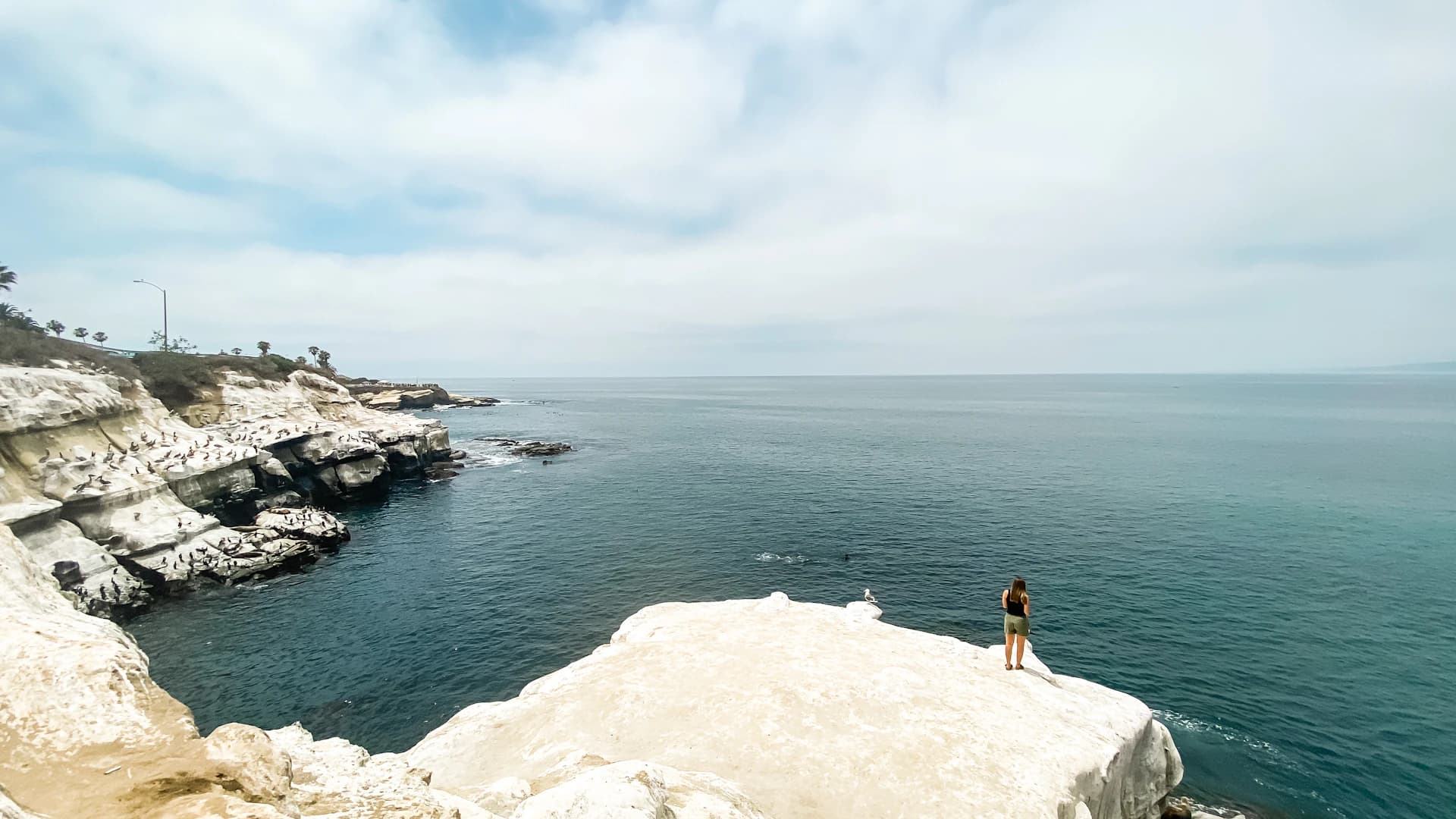
Check Quiver's water temperature on your beach page before packing — temperatures can swing 5-10°F within a few weeks during spring and fall transitions. San Diego water ranges from 57°F in February to 72°F in August. Santa Cruz ranges from 50°F to 62°F. The wrong suit ruins a session: too thin and you'll be shivering after 20 minutes, too thick and you'll overheat and lose flexibility. If you surf one region year-round, you typically need two suits — a thinner one for summer and a thicker one for winter. Brands like O'Neill, Xcel, Patagonia, and Rip Curl all make quality suits. Budget $200-400 for a good 3/2mm full suit.