

Key Takeaways
- Start with board, fins, leash, traction, and condition-appropriate exposure protection; rent first to learn what fits.
- Check board, fins, leash, and traction as a system, and never treat the leash as your swimming plan.
- Rent for the first few sessions, price the complete system, and prioritize fit and condition over upgrades.
- Fit the suit through a full paddle motion and adjust thickness for water, air, wind, duration, and personal cold tolerance.
- Buy each accessory to solve a specific exposure, chafe, transport, or entry problem—not because it appears in a generic bundle.
- A beginner kit must fit your vehicle and storage space, and routine rinsing and shaded drying preserve the parts you depend on.
- Check fins, leash, board damage, suit, traction, and shore conditions every time; replace or repair questionable equipment before entering.
The Short Answer
You need a board suited to learning, compatible fins, a sound leash, traction, and exposure protection for the actual water and weather. For most first sessions, the simplest route is a lesson or rental package that includes an 8-9 foot soft-top, leash, and wetsuit. That lets you test the activity, fit, and local conditions before storing a large board.
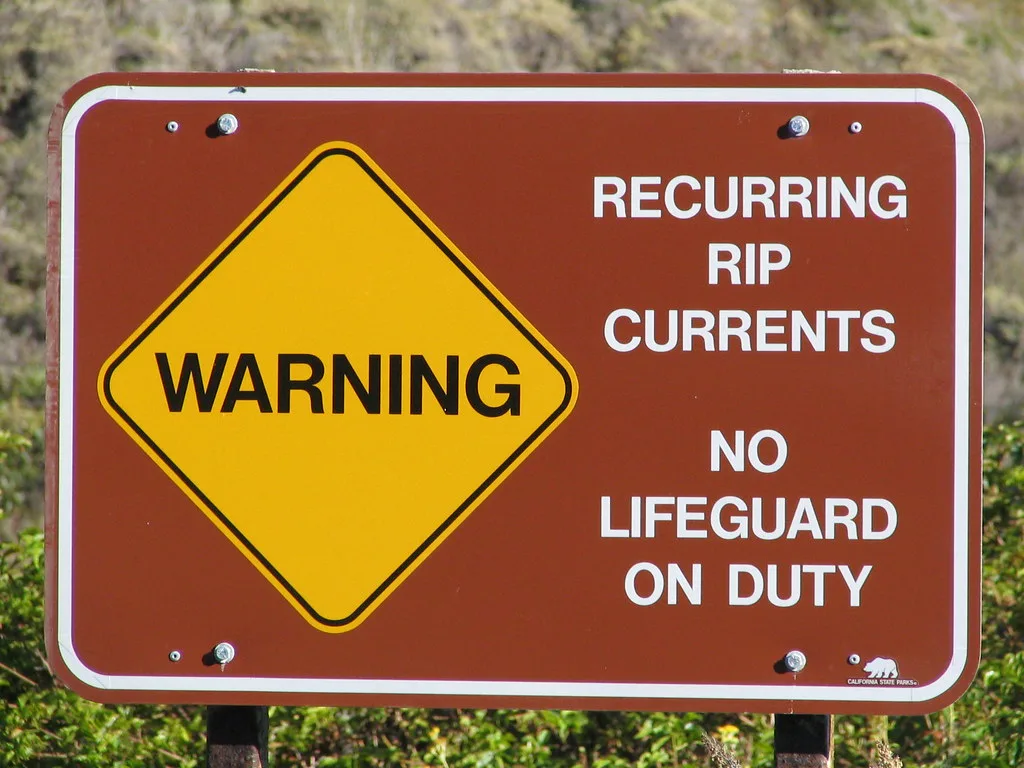
Bring drinking water, a towel or changing layer, a secure key plan, and broad-spectrum water-resistant sun protection. Add booties, earplugs, gloves, or a hood only when temperature, entry, or personal needs justify them. Equipment does not make conditions safe; follow lifeguards and posted rules and stay within your ability.
The Essential Gear Breakdown
Board and fins: choose a high-volume soft-top intended for learners, with every fin seated firmly and no sharp or loose hardware. Board sizing is its own decision; use the surfboard sizing guide rather than buying from height alone.
Leash: match it roughly to board length so the board is not held unusually close after a fall. Inspect the cord, swivels, rail saver, cuff, and hook-and-loop closure before every session. A leash is board-retrieval equipment, not a substitute for swimming ability or board control.
Traction: many soft-tops need suitable wax; some textured decks do not. Use the temperature grade on the wrapper and confirm the board maker allows wax. Apply a light, even pattern where hands and feet land rather than building slippery lumps.
Check board, fins, leash, and traction as a system, and never treat the leash as your swimming plan.
What This Means for Your Session
Use three buying stages. For sessions one through three, rent or take a lesson and note board dimensions, wetsuit thickness, suit size, and anything that rubbed or leaked. If you plan to surf only a few times per season, continued rental avoids storage, transport, and repair costs. If you will surf regularly, buy the items where fit and condition matter most.
A realistic new-kit total often lands in the several-hundred-dollar range, but local prices and included accessories vary. Compare a package against the line items: board, fins, leash, wax, suit, and tax. A cheap used board that needs fins and a leash may not beat a complete rental. Spend first on fit, intact equipment, and instruction, not cosmetic upgrades.
Choose Exposure Protection by Water, Air, and Session Length
A wetsuit should be snug through the torso and lower back without restricting a full paddle stroke or breathing. Large folds flush cold water; a collar that gaps when you move is a warning sign. Try several sizes and brands because the same labeled size can fit shoulders, torso, and legs differently.
Use the wetsuit thickness guide as a starting point, then account for wind chill, air temperature, sun, personal cold tolerance, and how long you will be sitting between waves. A hood, gloves, or booties can extend comfort in cold water, but added thickness reduces feel and dexterity. If you are shivering, numb, confused, or losing coordination, leave the water and seek appropriate help.
Fit the suit through a full paddle motion and adjust thickness for water, air, wind, duration, and personal cold tolerance.
Add Accessories Only for a Defined Problem
Rash guards reduce board and wetsuit chafe and add sun coverage. Surf earplugs may help regular cold-water surfers while still allowing some hearing, but they require cleaning and a secure fit. Booties add warmth and can help on rough entries, yet they do not make sharp reef or slippery rock harmless. Ask local lifeguards or instructors about entry hazards before relying on footwear.
A changing mat or waterproof tub keeps sand and salt out of the car. A board bag makes sense for roof transport, travel, or protecting a hard board; a sock may be enough for indoor storage. Skip action cameras and premium fins until you can explain the problem they solve.
Plan Transport and Storage Before the Board Arrives
Measure the vehicle interior, elevator, stair turn, and storage wall before choosing a nine-foot board. For roof transport, use racks or pads designed for the vehicle and board, follow their load instructions, use suitable straps, and recheck tension after the first few minutes. Do not run a strap or board where it interferes with doors, visibility, or vehicle controls.
Rinse salt and sand from the leash, suit, and moving hardware with fresh water, then dry gear out of intense sun. Store the board away from heat that can damage foam or lamination. Dry the wetsuit inside out first on a broad hanger or folded support; thin wire hangers can stress the shoulders.
A beginner kit must fit your vehicle and storage space, and routine rinsing and shaded drying preserve the parts you depend on.
Use a 60-Second Pre-Session Equipment Check
Before leaving home, confirm the fins are present and tight, the leash has no cuts or damaged swivels, the cuff closes fully, the board has no open damage, and the suit and wax match the conditions. Pack water, sun protection, towel, dry clothes, and any required parking or access item. At the beach, attach the leash only when appropriate for the entry and keep the board controlled around other people.
If a fin box is loose, a leash connection is frayed, or a board is taking on water, do not improvise the session. Rent a replacement or get the equipment repaired. Even sound gear cannot remove ocean hazards, so combine the check with lifeguard advice, posted conditions, and a shore assessment.