
Key Takeaways
- Under ~10s is usually wind swell; 10-12s+ is groundswell. Read period before height.
- Wind swell is local wind energy; groundswell is distant storm energy filtered into longer, cleaner lines.
- Groundswell = distant storm + long fetch = clean lines. Wind swell = local wind = chop.
- Wind swell is short-period because local wind has not had enough distance to sort into clean lines.
- Groundswell has organized sets with clean spacing; wind swell is chaotic texture from many directions.
- Groundswell produces better waves than wind swell because organized distant energy creates predictable, shapeable rides.
- Wind swell can be fun for advanced shortboarders on small days or at beach breaks, but groundswell is almost always better for wave quality.
- In a forecast with multiple swells, the longest-period component is groundswell and produces the best waves; short-period is wind swell and local chop.
Read Period First
</>Embed this figure
<iframe src="https://www.quiversurf.app/embed/learn/swell-period-morph" width="100%" height="520" style="border:0;max-width:720px" title="Quiver surf science figure" loading="lazy"></iframe>Period — the seconds between waves — is the fastest way to tell groundswell from wind swell. Under about 10 seconds, you are usually looking at local wind swell: short-spaced, choppy, weak, and quick to fade. Push into 10-12 seconds and longer, and the ocean starts acting like groundswell: longer lines, more organized sets, and more push when the wave stands up. Drag the dial above and watch the same ocean reorganize.
Height still matters, but period explains why a clean 2 ft @ 14s groundswell can surf better than a messy 6 ft @ 7s wind swell. The long-period wave is carrying distant storm energy in a cleaner package. The short-period wave is mostly local chop.
Two Types of Ocean Swells: Definitions
Wind swell is generated by wind blowing near your coast now — short periods, chaotic energy, and waves stacked close together. Groundswell comes from storms far away, sometimes thousands of miles across an ocean basin. Distance filters the mess into longer-period, more organized energy. Most forecasts show both as separate components: "4 feet at 14 seconds + 2 feet at 6 seconds." The first is groundswell, the second is local wind swell. Both can contribute, but the longest-period component usually drives the waves worth waiting for.
Wind swell is local wind energy; groundswell is distant storm energy filtered into longer, cleaner lines.
Where Each Swell Comes From
</>Embed this figure
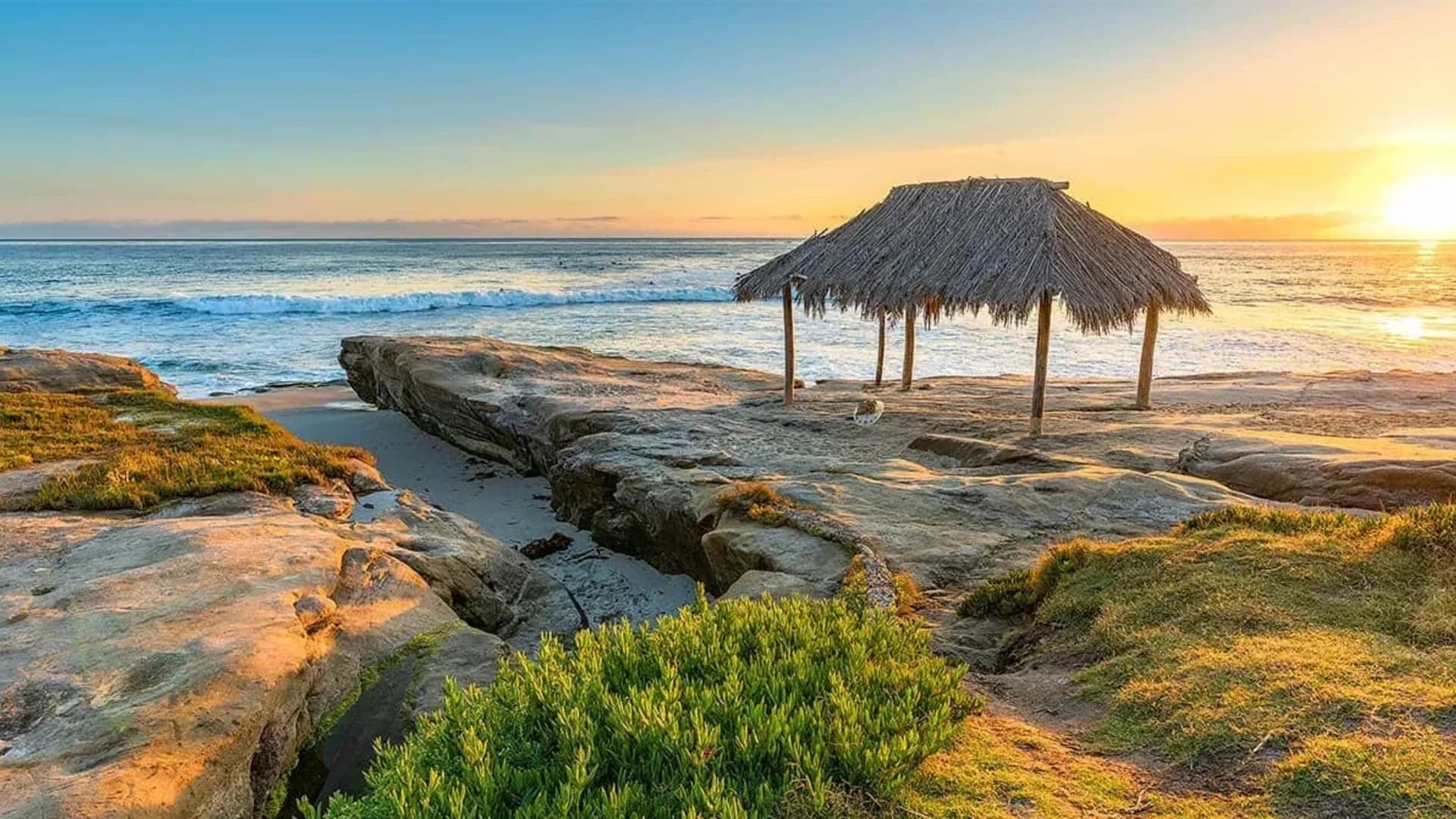
<iframe src="https://www.quiversurf.app/embed/learn/swell-origin-fetch" width="100%" height="340" style="border:0;max-width:720px" title="Quiver surf science figure" loading="lazy"></iframe>Groundswell is born from distant storms with sustained wind blowing across hundreds or thousands of miles of fetch. The storm creates a messy field of waves at first, but as that energy travels across the basin, short-period chop fades and the longer lines outrun the noise. By the time a Southern Ocean storm reaches California five to seven days later, it can arrive as a clean 16-second swell.
Wind swell is generated by local wind close to shore. It has not traveled far enough to organize, so it arrives as short, textured chop. When the wind dies, the wind-swell component usually fades fast. Groundswell persists because the energy is already moving across the ocean as organized lines.
Where Each Swell Comes From
How Wind Swells Form: Local Wind Right Now
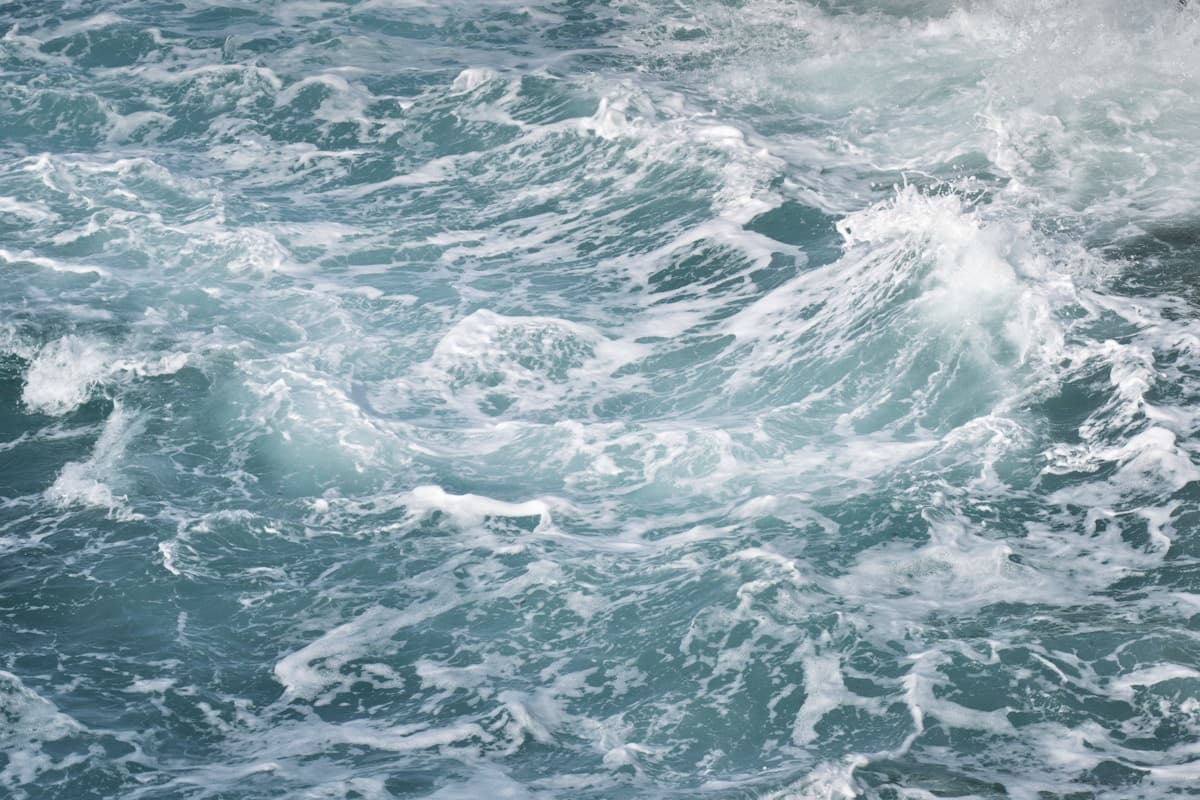
Wind swell forms when wind blows across the ocean near your coast. The energy is scattered across periods and directions because local wind is constantly shifting intensity and angle. That is why wind swell looks messy and close together in person. It can still be surfable, especially at punchy beach breaks, but it rarely has the clean set structure of a longer-period groundswell.
How Wind Swells Form: Local Wind Right Now
Wind swell is short-period because local wind has not had enough distance to sort into clean lines.
What Wind Swell and Groundswell Look Like in the Water
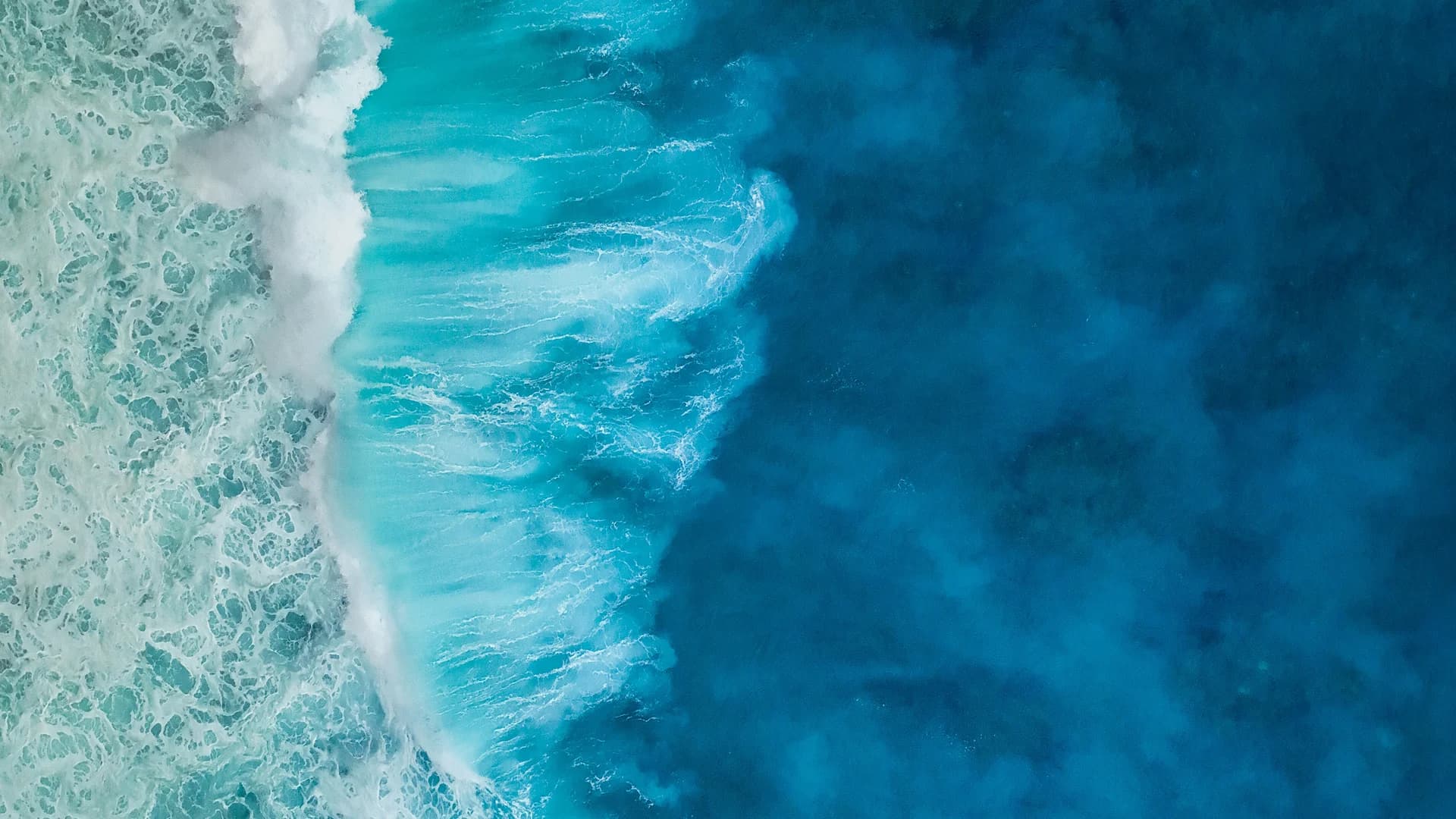
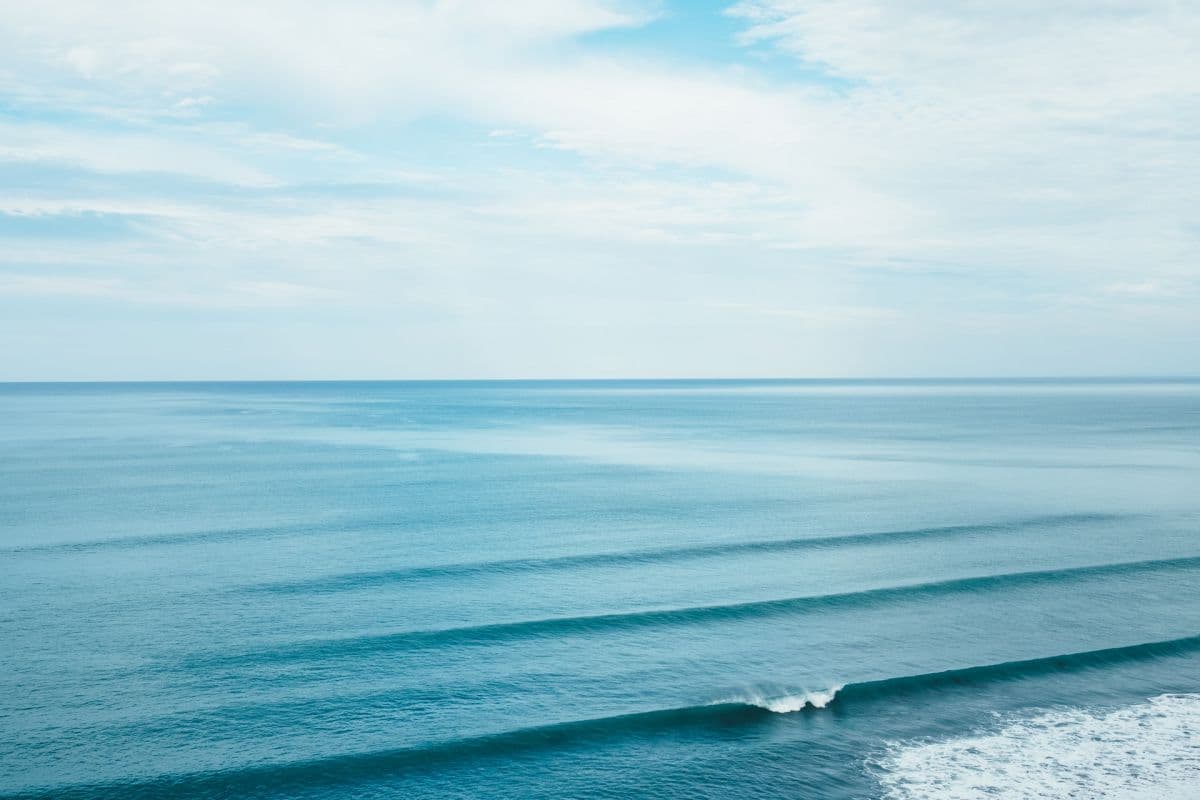
Groundswell is unmistakable: organized sets with clean spacing, long lulls between them, waves all peeling in similar directions. You can see sets coming from far away because the energy is long and coherent. Even small groundswell looks powerful. Wind swell is the opposite — waves from every direction, no clear sets, everything crammed together at 6-9 second intervals. Even big wind swell feels mushy because the energy is scattered. You can spot the difference from shore once you know what to look for.
Which Produces Better Surf and Why
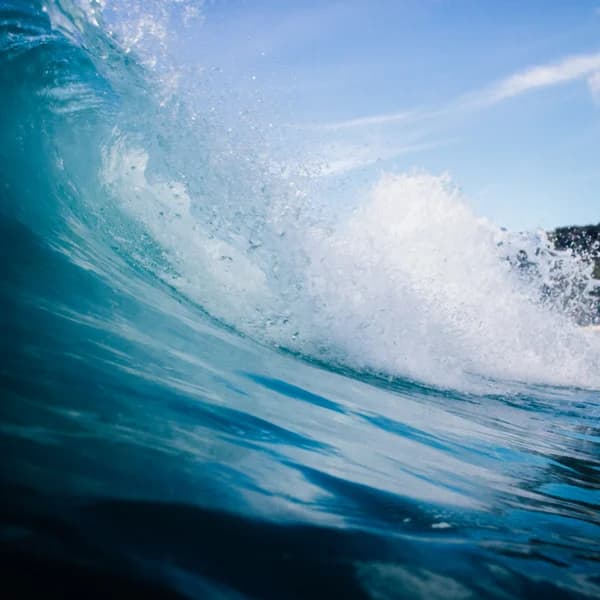
Groundswell, almost always. Organized energy creates predictable, shapeable waves — you can set your line before the wave reaches your takeoff zone, and the ride lasts because the face is stable. Wind swell collapses fast with no clear peak, making waves harder to catch and shorter to ride. Even an 8-foot wind swell is usually inferior to a 2-foot groundswell. The swell type (period) determines rideability far more than height. That's why surfers obsess over tracking distant storms.
Which Produces Better Surf and Why
Groundswell produces better waves than wind swell because organized distant energy creates predictable, shapeable rides.
When Wind Swell Can Actually Be Good
Wind swell has its place. When groundswell is 1-2 feet and the ocean looks dead, a 3-4 foot wind swell provides more waves and more action. Advanced shortboarders sometimes prefer it — more opportunities, quicker reps, playful sessions. Fast beach breaks with A-frames can turn wind swell into fun peaks even at short periods. Reef breaks struggle with it because disorganized energy doesn't focus onto the structure. If you're choosing between a 1-foot groundswell and a 4-foot wind swell at a beach break, the wind swell might actually be more rideable — just lower quality per wave.
Reading Both Swells in a Forecast
When a forecast shows "3 feet at 14 seconds + 2 feet at 7 seconds," read it as: 3-foot groundswell doing the main work, plus 2-foot wind swell adding local texture. If it flips to "2 feet at 7 seconds only," you are probably looking at short-period chop. Always start with the longest-period component, then check wind, tide, and direction before you drive.
Want to go deeper? Use swell period to judge power, swell direction to see whether your spot catches the angle, and Quiver vs Surfline to compare per-beach calls against regional forecast tools.
Skip the chart-reading? Quiver tags primary groundswell vs secondary wind swell for 280+ breaks and learns the days you rate. Runs in any browser, or get the iOS app.
In a forecast with multiple swells, the longest-period component is groundswell and produces the best waves; short-period is wind swell and local chop.