
Key Takeaways
- Mid-tide incoming is the safest bet for most beach breaks. Every spot has a preferred tidal window — learn yours.
- Beach breaks favor mid-tide, reef breaks need higher tide for safety, and point breaks are less sensitive but still have sweet spots.
- Use tide charts to time your session within the mid-tide window. Pair tide timing with wind to find the golden hour at your break.
The Short Answer
Most beach breaks work best at mid-tide on an incoming (rising) tide. Low tide exposes sandbars and reefs, creating hollow, fast, often dangerous waves. High tide floods the bottom contour, producing slower, mushier waves. Reef breaks like Pipeline often prefer higher tide for safety. Every break has a preferred tidal window — learn it by surfing different tides at your spot. NWS tide predictions (shown on Quiver's tide charts) are accurate to the minute.
The Short Answer
How Tide Changes Wave Shape at Different Break Types
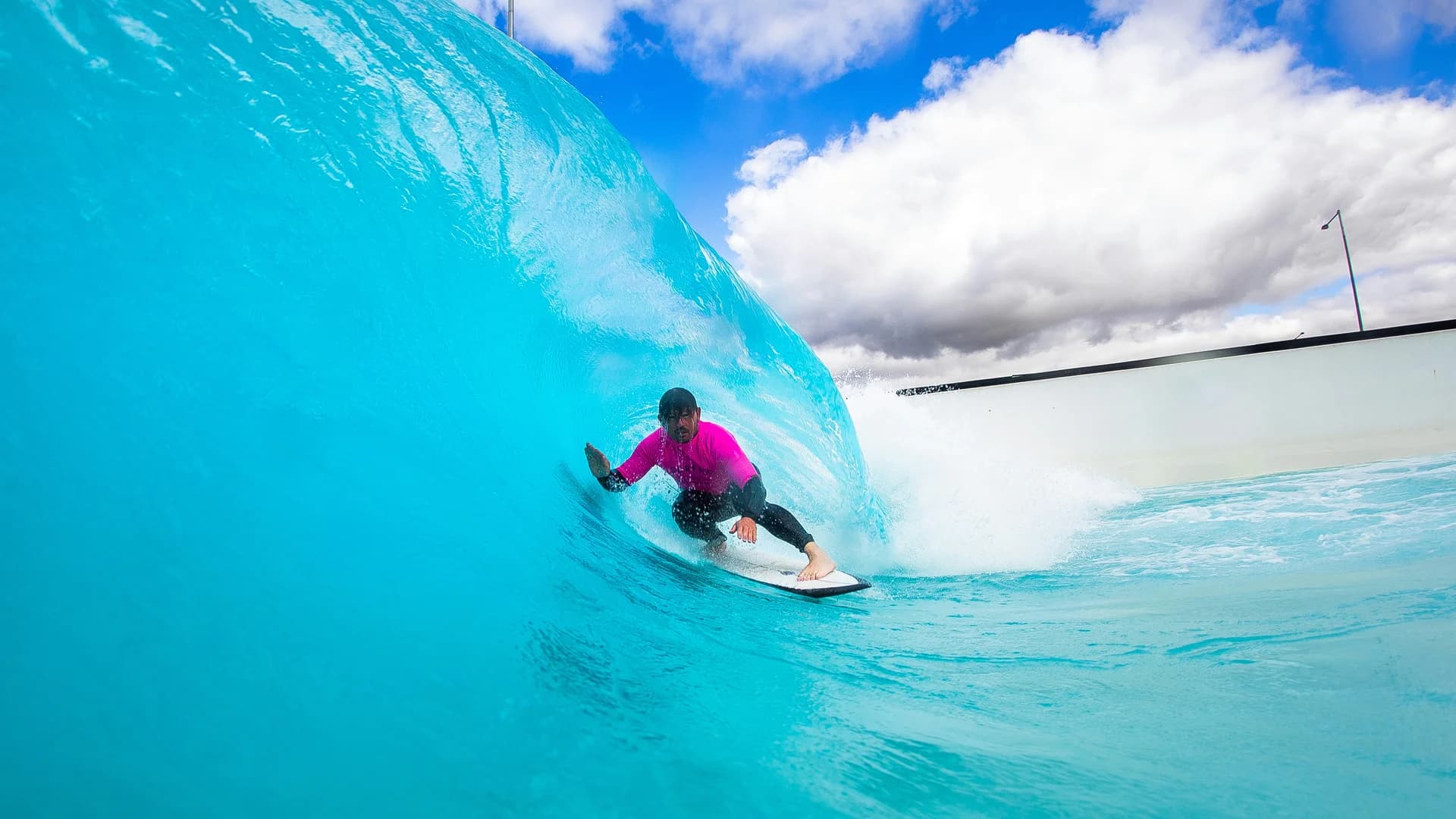
Beach breaks (sand bottom, shifting peaks): Mid-tide balances water depth over sandbars. Low tide makes bars too shallow — waves jack up fast and close out. High tide puts too much water over bars — waves don't break cleanly. The incoming tide is slightly better than outgoing because water pushes toward shore, adding energy.
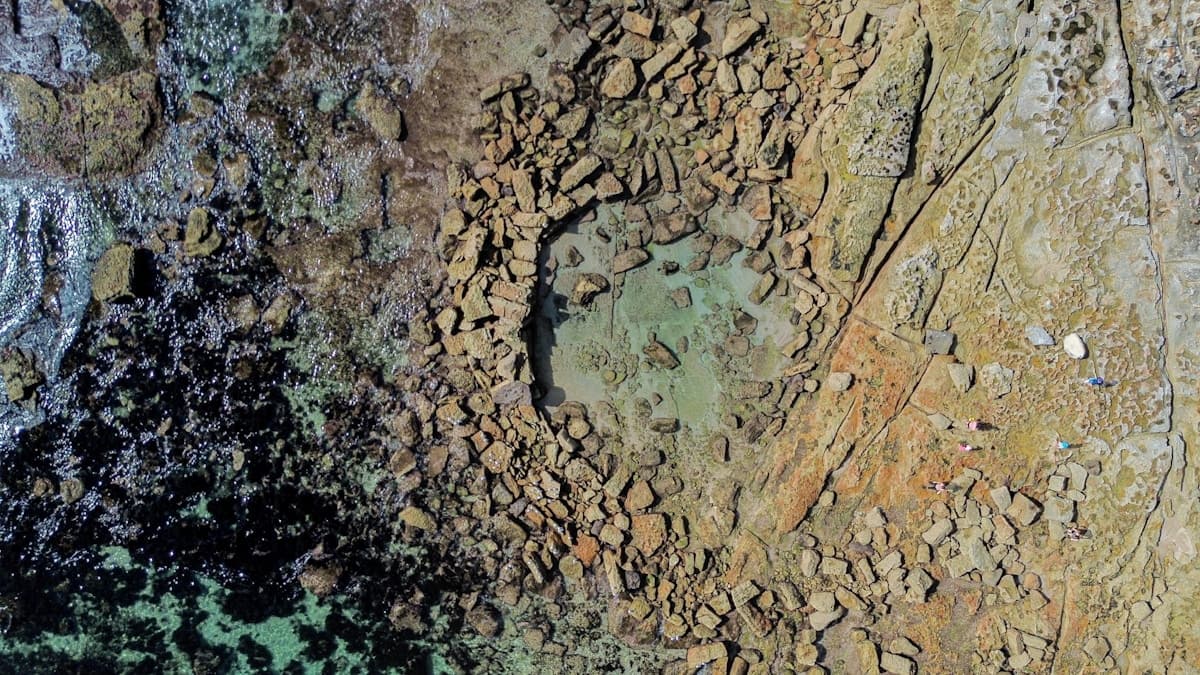
Reef breaks: Many prefer mid-to-high tide because the reef needs water coverage for safety and to shape the wave correctly. Pipeline, for example, is most rideable at 3-5 feet of tide. At extreme low tide, the reef is dangerously exposed.
Point breaks: Typically less tide-sensitive because the bottom contour is rock, not sand. Rincon works across most tides but fires best on a dropping mid-tide when the swell wraps perfectly along the point.
Beach breaks favor mid-tide, reef breaks need higher tide for safety, and point breaks are less sensitive but still have sweet spots.
What This Means for Your Session
Check Quiver's tide chart before every session — it shows exact high/low times and a visual curve so you can time your paddle-out to hit the mid-tide window. A typical tidal cycle is ~6 hours from low to high. If high tide is at noon, mid-tide (the best window) is roughly 9-10 AM and 2-3 PM. Pair this with wind: if offshore dies by 10 AM but mid-tide is at 9 AM, you've got a one-hour golden window. The best surfers plan around both tide and wind, not just swell. After 10-15 sessions at the same break, you'll know its tidal sweet spot instinctively.