

Key Takeaways
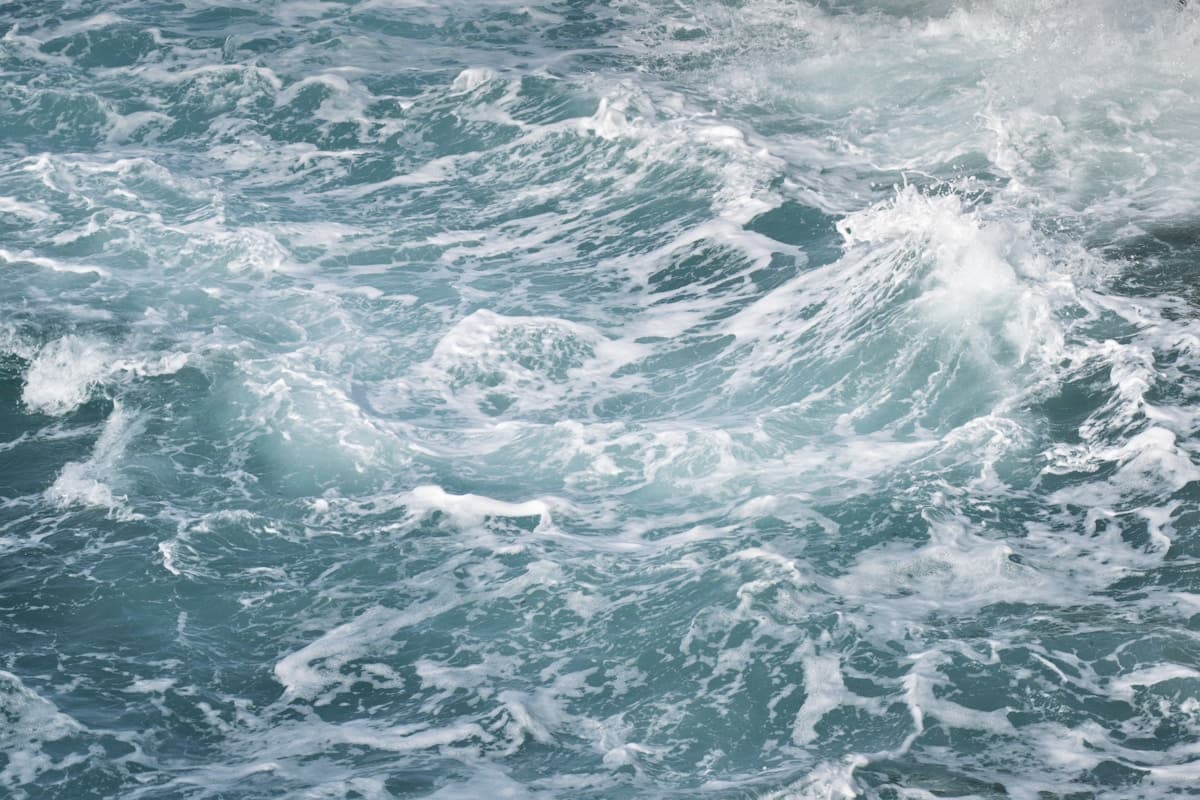
- Morning waves are cleaner because overnight cooling creates offshore wind that holds up wave faces. Solar heating reverses this by midday.
- Land heats and cools 2-3x faster than ocean. Dawn brings 3-8 knot offshore; by noon, 8-15+ knot onshore. NDBC stations confirm this pattern coast-wide.
- The offshore window lasts 2-3 hours from dawn. Check the wind forecast to know exactly when it switches at your break.
The Short Answer
Overnight, land cools faster than the ocean, creating a temperature gradient that pulls wind from land to sea — offshore flow. This holds up wave faces and smooths the surface into "glassy" conditions. By mid-morning (9-11 AM), solar heating reverses the gradient, pulling air from the cooler sea to the warmer land — onshore wind. This adds chop and destroys wave shape. The thermal cycle repeats daily at nearly every coastal location monitored by NDBC stations.
The Physics: Land-Sea Thermal Circulation
This is the land-sea breeze cycle, a well-studied meteorological phenomenon. Land has lower heat capacity than water — it heats and cools 2-3x faster. By dawn, coastal land may be 10-15°F cooler than the adjacent ocean surface. Cool air sinks over land, flows seaward at the surface (offshore), and warm air rises over the ocean to complete the circulation cell.
The offshore component is typically 3-8 knots at dawn, enough to smooth the surface without making paddling difficult. As the sun rises, land heats rapidly. By 10-11 AM, land and ocean temperatures equalize — a brief calm period. By noon, land is significantly warmer, and the circulation reverses: onshore flow at 8-15+ knots. This is why NDBC coastal wind stations consistently show offshore readings before 8 AM and onshore by midday along the California, Florida, and East Coast shorelines.
Land heats and cools 2-3x faster than ocean. Dawn brings 3-8 knot offshore; by noon, 8-15+ knot onshore. NDBC stations confirm this pattern coast-wide.
What This Means for Your Session
The offshore window typically lasts from first light until 9-10 AM — roughly 2-3 hours. On clear days with strong solar heating, it's shorter. On overcast or foggy mornings, it can extend past noon. Check Quiver's wind forecast the night before to see exactly when the switch happens at your break. If the forecast shows "offshore 5 kts until 10 AM, onshore 12 kts by noon," your golden window is 6-9:30 AM. Some breaks benefit from specific wind directions — a NE wind is offshore for west-facing beaches but onshore for east-facing ones. Know your break's orientation.