Beginner Surf Spots in San Diego
San Diego has several beginner-friendly zones, but the safest call still depends on size, wind, tide, and how crowded the inside is.

Where San Diego works best
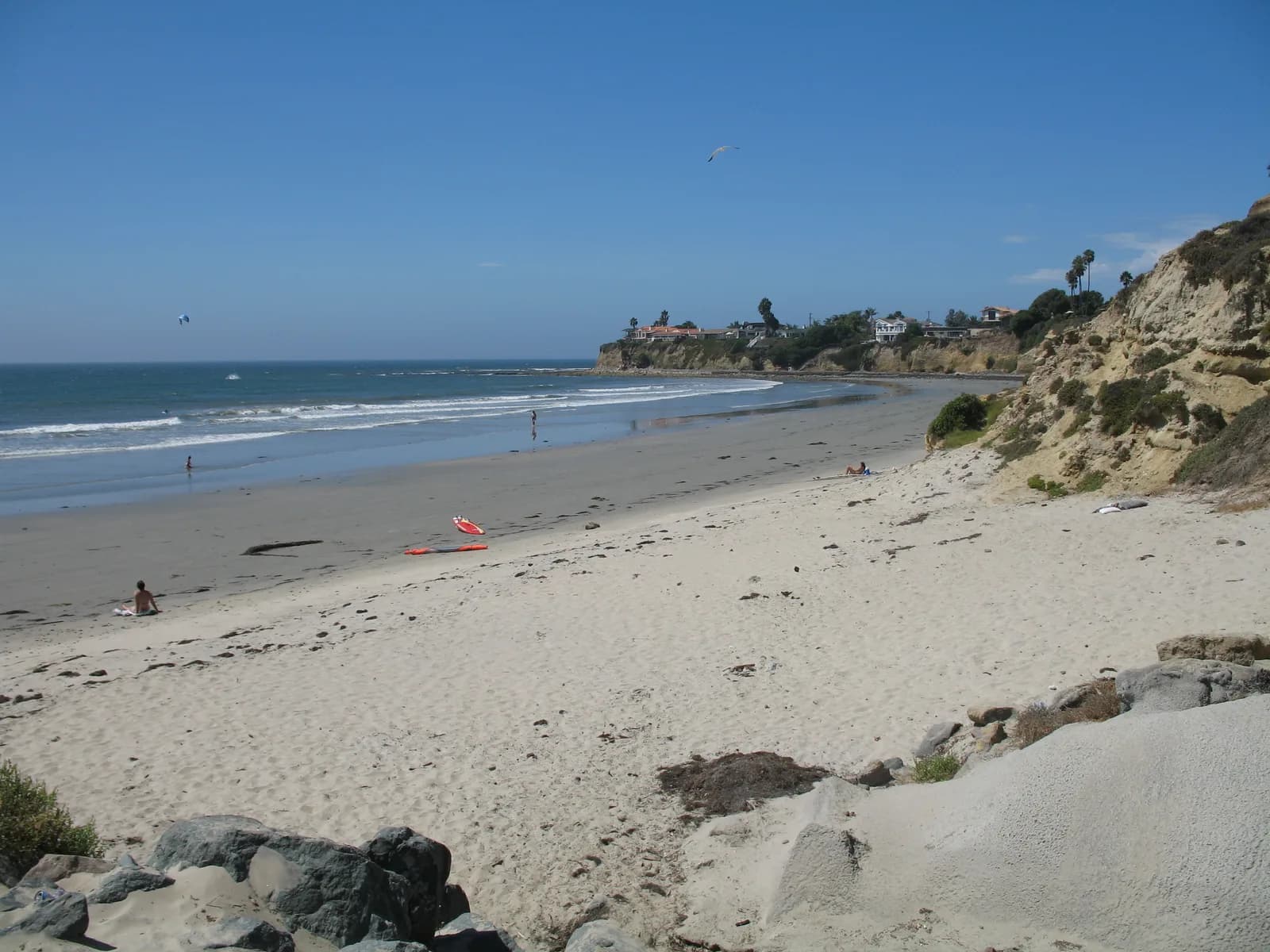
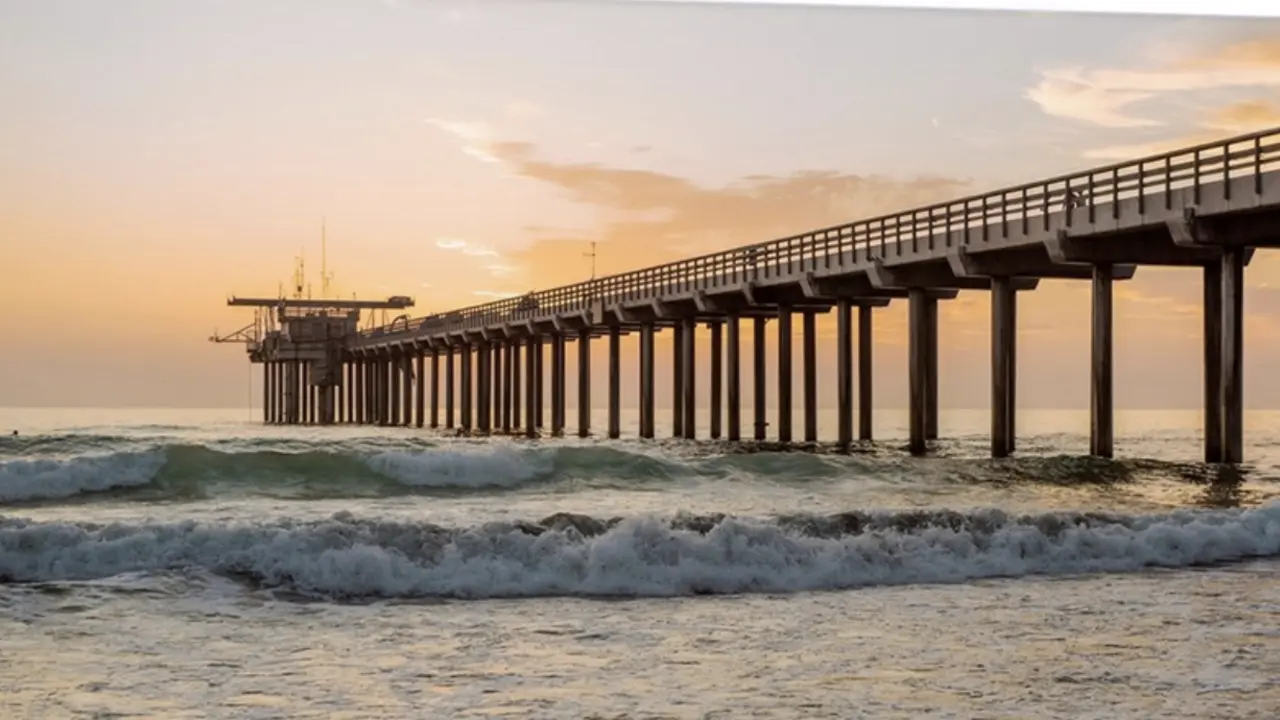
La Jolla Shores is the most straightforward learner zone. Tourmaline is softer and more longboard-friendly, while Mission Beach can work when the beachbreak is small and organized.
Best conditions to watch for
Keep beginners in smaller surf with light wind, visible channels, and enough tide to soften the inside. Treat overhead sets, strong drift, and fast closeouts as a no-go.
Board and safety call
A soft-top is the default for first sessions. Move to a longboard only when the surfer can control the board, turtle roll safely, and avoid crowded takeoff zones.
Local read before you drive
Parking and lesson traffic build early. If La Jolla Shores or Tourmaline is packed, check cams and Quiver's nearby spots before forcing a crowded inside lineup.
Nearby backup spots
Keep planning
Frequently Asked Questions
About surfing in San Diego
- San Diego can be a strong beginner zone when the swell, tide, and wind line up. Use this guide for the local pattern, then check Quiver before you drive for the freshest conditions.
- Keep beginners in smaller surf with light wind, visible channels, and enough tide to soften the inside. Treat overhead sets, strong drift, and fast closeouts as a no-go.
- A soft-top is the default for first sessions. Move to a longboard only when the surfer can control the board, turtle roll safely, and avoid crowded takeoff zones.
- Start with La Jolla Shores, Tourmaline, Mission Beach, Pacific Beach when they match your skill level. Treat named spots as a planning list, not a guarantee that every break is right today.
Make the call with Quiver
Use the page context for planning, then open Quiver for live surf conditions, best windows, tide risk, and session logging.
